
Reclamation Day & Tree of Heaven
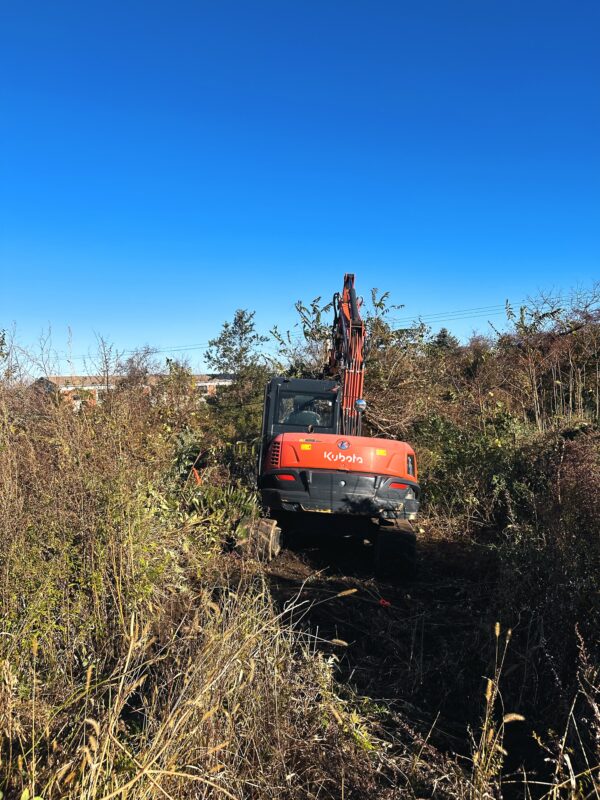
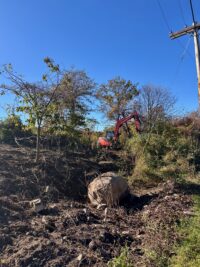
On November 16th, a beautiful fall day, we began our efforts to reshape and rehabilitate the buffer between the Transfer Station and Fox Lane. We dubbed it “reclamation day,” a term used by conservationists when the restoration process has finally begun. Choked with invasives, our buffer is in desperate need of our stewardship. And though it will be a long journey to bring this landscape back to life, we’ve made the first big step!
One of the trickier invasive species in the buffer is Tree of Heaven (Ailanthus altissima). This especially aggressive tree originates from China and is often confused with our native sumacs; however, hallmark differences can help you ID the plant with confidence.
- Tree of Heaven (ToH) has a unique and vaguely repulsive smell when you rip off some leaves or branches. Some describe this smell as reminiscent of rotten peanut butter or cat urine.
- ToH tends to be larger in scale than sumacs, with larger pinnately compound leaves and growing up to 50 or even 80 feet in height. (Fig. 1.) These differences are especially noticeable when seen side by side with sumac.
- ToH keeps its green leaves well into November. This is typical of invasive species in New England, so if you’re looking at a landscape in December and you see green in the understory, chances are that landscape has lots of invasive species– from marrow’s honeysuckle, euonymus, to seven sisters’ rose. Meanwhile, native sumac leaves turn red in the fall and usually drop in late October.
- ToH has smooth leaf edges, usually featuring a “thumb” or two on the rear of the leaf. (Fig. 2) Native sumacs such as the staghorn sumacs have serrated leaf edges. The winged sumacs have more subtle rounded serrations, but they are easily ID’d by the “wings” on their branches. Both of these species’ compound leaf structures are smaller in scale to ToH.
- ToH have prominent scars on their trunks from previous season’s petioles. These are described as heart-shaped leaf scars. (Fig 3.)
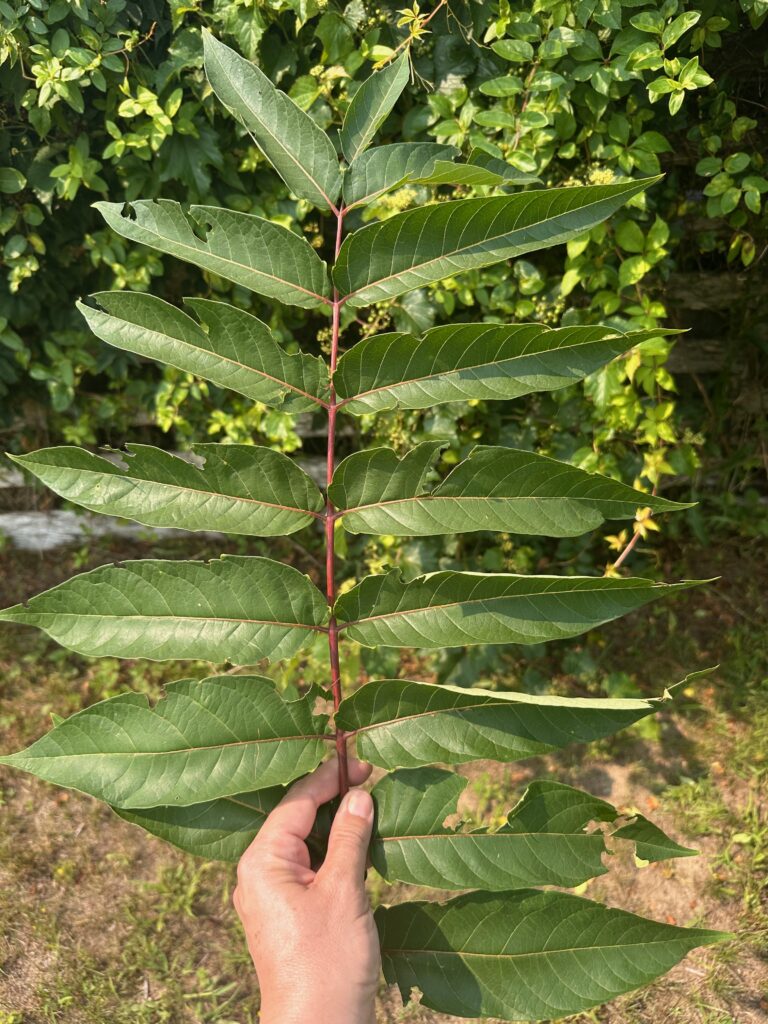
Fig. 1: Pinnately compound leaves of ToH featuring a terminal leaf.
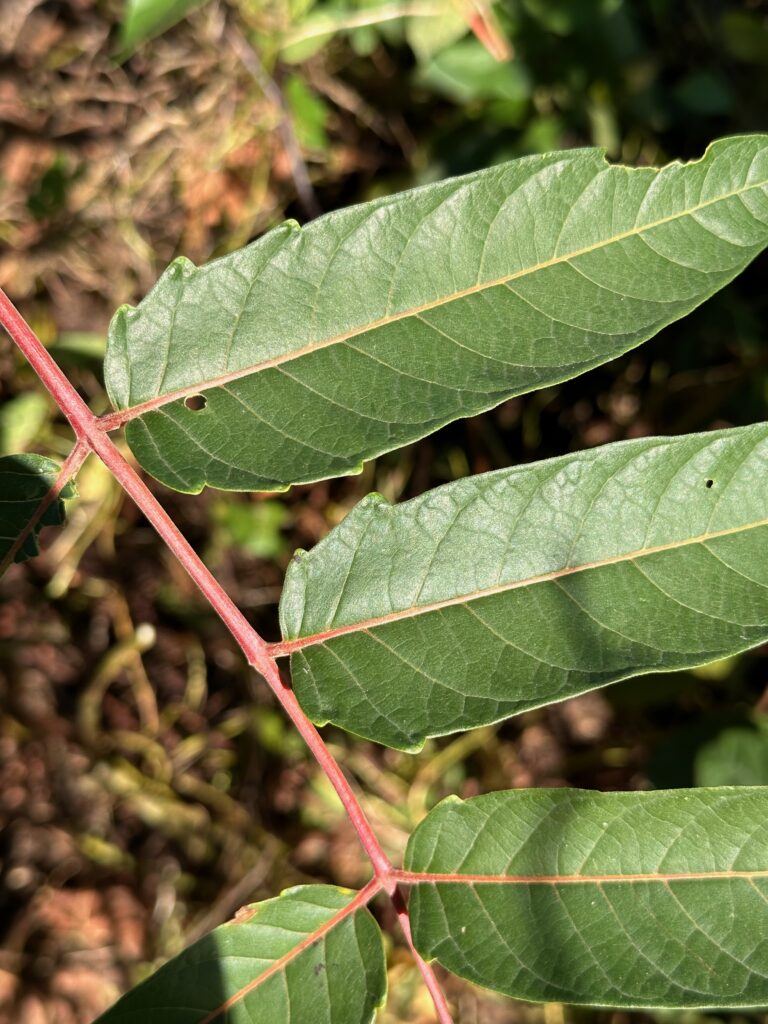
Fig. 2: Individual leaves of ToH, showing the thumbs or notches on the back end.
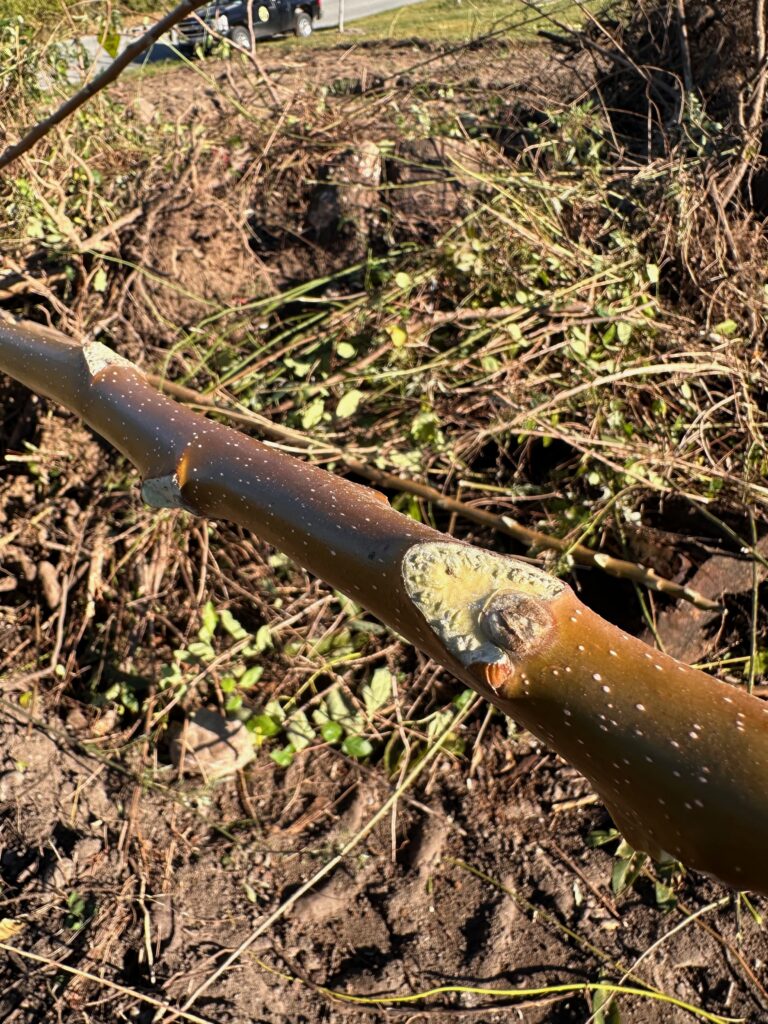
Fig. 3: The leaf scars of a ToH.
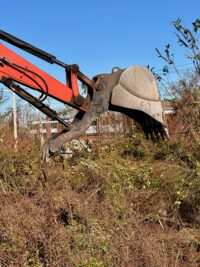
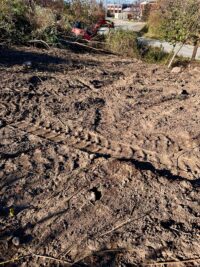
Unfortunately, if you approach this species thinking you can just cut it down, it responds by sending out dozens of new root and stump suckers, creating an even bigger problem. Originally we had considered the “hack n’ spray” method, which is very effective, but we were a bit late in the season to ensure that the trees would still be sending nutrients back down to their root systems. Instead, we chose the manual option, which took a good bit of effort and expert machine operation from Race Rock. The trees of heaven were plucked right out of the hill with ease– An amazing sight!
It’s important to remember that we brought this species to North America in the 1700’s as an ornamental shade tree, valued for its quick growth and its ability to tolerate nearly any growing conditions. Over time, we have come to see the Tree of Heaven as less ornamental and more destructive. The species is not only allelopathic, meaning the plant can produce chemicals that harm surrounding plants, but is also the host plant for the pernicious Spotted Lanternfly. Unfortunately, Spotted Lanternfly has been observed on the island, but removing its host trees can help protect our unique island ecosystems.
In the seasons to come, we will plant and seed the hill, fostering a native buffer with species that have grown on the island for thousands of years. This will create habitat for our non-human neighbors, while creating a more sustainable buffer from waste management’s operations, preventing erosion, mitigating stormwaters, and buffering noise and dust.
Stay tuned as we keep everyone posted on what we learn along the way!
